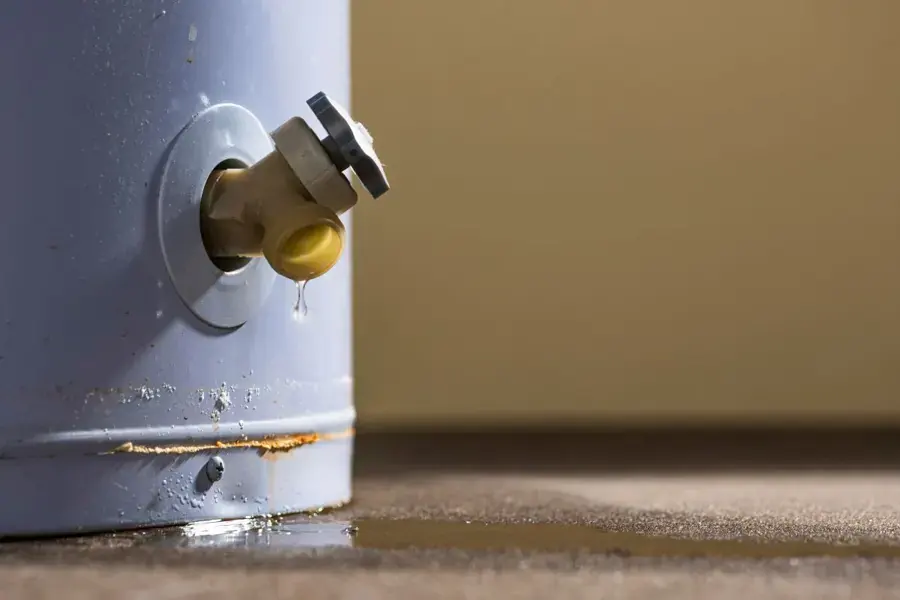
First steps for water heater leak cleanup in Ramsey
- 1
Shut off the supply
Close the cold water valve above the tank, switch off the power or gas supply to the heater, and keep clear of the hot water.
- 2
Contain the spread
Place towels or a wet vacuum at the edge of the water, and move boxes and furniture off carpet near the utility room.
- 3
Photograph the source
Photograph the tank, the label, the leak point and the wet floor before anything is wiped up or discarded.
- 4
Call plumber and dryers
A plumber replaces or repairs the heater, and the drying team extracts water, lifts wet carpet and checks the walls.
A water heater leak is easy to miss because the tank sits in a corner of the utility room, often beside a floor drain that hides a slow drip. Ramsey lists water heaters among the work that needs a city permit, and the repair and the drying are two separate jobs.
What does water heater leak cleanup cost in Ramsey, MN?
Water that stays in the utility room costs between $1,000 and $2,200 to clean up. Once it reaches finished rooms the range is $2,200 through $5,500, and a leak that ran unnoticed for days starts at $5,500.
Utility room floor
$1,000 to $2,200
- Water on concrete beside the tank
- Extraction and floor drying
- Clean supply water
Spread into finished rooms
$2,200 to $5,500
- Wet carpet, pad and wall bases
- Flood cuts set by meter readings
- Basement-wide drying
Slow leak, days unnoticed
$5,500 and up
- Tank seeped behind a closed door
- Gray water, more material out
- Longer drying and checks
Ranges are typical, not a quote: the water category, square footage, material class and how fast drying started move the number most. Run the water damage cost calculator for a closer range.
How a tank or valve leak spreads
Water from a heater usually starts on concrete, which is the easy case, and reaches carpet, wall bases and nearby drywall by wicking. A full tank can release dozens of gallons from a failed seam, enough to cross a room.
- A corroded tank that seeps at the seam or base
- A temperature and pressure valve that drips or discharges
- A drain valve or supply connection that loosens over time
- A drain pan or overflow route that is blocked
Clean supply water is Category 1, but it degrades if it sits. A leak that ran for days behind a closed door can reach Category 2, and then carpet pad, trim and drywall are removed more aggressively.
Sediment, new water and old tanks
When Ramsey opened its new water treatment plant in Spring 2026 to remove iron and manganese, old deposits in the water mains briefly caused reddish, brown or black discoloration. The city told residents to limit hot water use until cold water ran clear and to flush their water heaters, which can collect sediment.
Flushing a tank is routine maintenance, but a drain valve that is opened or disturbed can start dripping afterward. That does not mean a leak is coming, only that these are the spots the drying team checks first.
Drying around a water heater
The crew extracts standing water, lifts carpet near the tank and checks the bottom plates of walls and the lower drywall with a meter. Flood cuts are made only where readings call for them, and air movers and an LGR dehumidifier dry the floor and cavities.
Since the permit list includes water heaters, the owner or plumber should confirm that step with the city before a new tank goes in. The drying team documents the leak source, the wet materials and the final readings so the adjuster has the whole picture.
Records for the claim
Photograph the tank, the leak point, the wet floor and any stained walls, and keep the replacement invoice with the moisture log. A water extraction visit and daily readings show how far the water traveled and when drying finished. For leaks from other equipment, see appliance leak water damage.