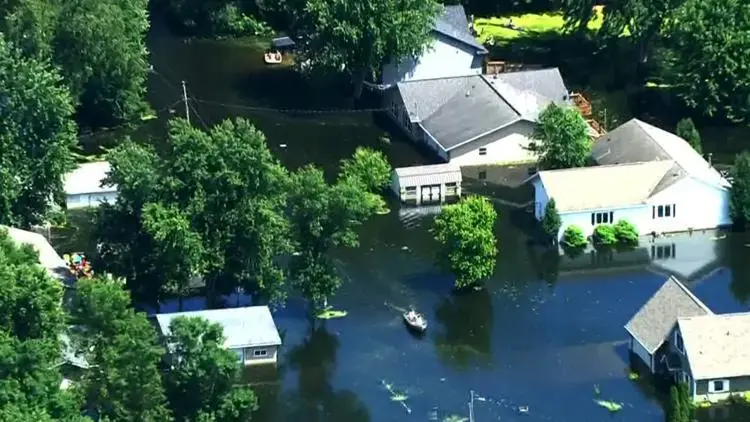
First steps for river and spring flood cleanup in Anoka
- 1
Wait for the all-clear
Do not enter a flooded basement or lower floor until the water stops rising and the power to that area is off.
- 2
Avoid the water itself
Flood water carries sewage, fuel and debris. Wear boots and gloves, and keep children and pets away from it.
- 3
Photograph the high-water mark
Photograph the high-water mark on the walls, the damaged rooms and belongings before anything is removed.
- 4
Call your flood insurer early
Report the loss to the company that holds your flood policy right away, and keep receipts for any emergency spending.
Anoka sits where the Rum River meets the Mississippi, and the 1965 flood still holds the city record at nearly 18 feet on the Mississippi. In April 2023 both rivers went over their banks in Anoka again. River water and spring runoff cross streets, yards and septic fields on the way into a house, so the restoration team treats outside flood water as Category 3 from the start.
What does river and spring flood cleanup cost in Anoka, MN?
River and spring flood cleanup in Anoka typically runs $4,000 to $20,000. A few inches in an unfinished basement sits at the low end; water across a finished basement or a lower floor costs more because more material comes out.
Unfinished basement
$4,000 to $8,000
- Inches of water on concrete
- Mud-out, washing, antimicrobial
- Slab and wall drying
Finished basement
$8,000 to $20,000
- Carpet, drywall and insulation out
- Category 3 cleaning
- Extended structural drying
Lower floor reached
$20,000 and up
- Water above the basement
- Two levels of removal
- Contents and full drying
Ranges are typical, not a quote: the water category, square footage, material class and how fast drying started move the number most. Run the Anoka water damage cost calculator for a closer range.
Where outside water reaches Anoka homes
Flood water does not need a riverfront lot. In a fast spring thaw the ground is still frozen, so snowmelt and rain run across the surface and collect in the low spots:
- Low streets and yards near the Mississippi and the Rum, including around Peninsula Point
- Walkout basements and window wells on the low side of a sloped lot
- Garages and lower levels where the driveway slopes toward the house
- Basements where groundwater rises through the floor while the rivers are high
Groundwater coming up through the slab without outside surface water follows the basement flooding cleanup plan instead.
Cleaning up after outside flood water
The order of work matters more after a flood than after any other loss. The extraction crew waits until the water stops rising and the power to the area is off, then pumps the water down. When the ground outside is still saturated, a basement is pumped down in stages, because draining it all at once can let outside pressure push the walls in.
- Mud and silt are shoveled and squeegeed out before any drying starts
- Drywall and insulation come out above the highest wet reading, carpet and pad go
- Hard surfaces are washed, then treated with an EPA-registered antimicrobial
Drying a flooded house takes patience
Framing, block walls and concrete soak up flood water deep, and Anoka's spring air is often damp. The drying team runs air movers with LGR or desiccant dehumidifiers, keeps the house closed to outside air, and logs readings every day. Walls stay open until the framing reaches the dry standard; closing them early traps the water inside.
Flood insurance and the claim file
Standard homeowners policies exclude flood. Flood damage falls under a separate flood policy, such as one through the National Flood Insurance Program, which usually has a 30-day waiting period before it takes effect. The claim needs photos of the high-water mark, a room-by-room list of removed materials and the drying logs.
The National Water Prediction Service posts river forecasts for the Mississippi and the Rum, and the National Weather Service flood safety page covers what to do before, during and after high water.