First steps for burst pipe water damage in Ramsey
- 1
Close the main valve
Shut the main water valve first, then open the lowest faucet to drain pressure and slow the flow into the structure.
- 2
Keep power away
Do not touch outlets, switches or fixtures in the wet area, and shut off the breaker for that zone only if the panel is dry.
- 3
Catch and photograph
Set buckets under drips, lift valuables off wet floors and photograph the source, the ceiling and each damaged room.
- 4
Call both trades
A plumber fixes the pipe, while the restoration team removes water, opens wet ceilings and walls, and sets drying equipment.
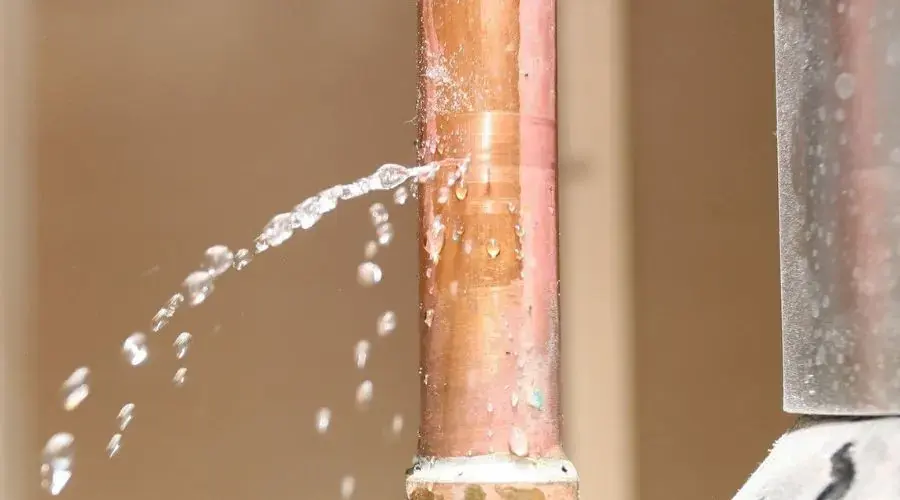
A burst pipe floods a house faster than almost any other loss, because the supply keeps pushing water until someone closes a valve. Ramsey homes range from 1970s construction to houses built in the 2010s, and the cleanup in each starts the same way: find where the water went.
What does burst pipe water damage cost in Ramsey, MN?
A burst caught early in one wall or room costs between $1,300 and $3,000. When the ceiling and floor below are wet it runs $3,000 through $7,500, and a leak that ran for days starts at $7,500.
Single wall or room
$1,300 to $3,000
- Valve closed fast
- Small cut-out and extraction
- Clean supply water
Ceiling and floor beneath
$3,000 to $7,500
- Water reached a second level
- Ceiling drywall and subfloor opened
- Equipment running on two floors
Leak that ran for days
$7,500 and up
- Water sat in the structure
- Gray water, heavier removal
- Extended drying cycle
Ranges are typical, not a quote: the water category, square footage, material class and how fast drying started move the number most. Run the water damage cost calculator for a closer range.
Where the water goes
Water from a burst pipe follows gravity and framing. It runs down wall cavities, drips through ceilings below, soaks insulation and pools under flooring, so a single split can leave wet material on two levels while only one stain is visible.
- Ceiling drywall that sags, stains or bubbles below the leak
- Wall cavities and insulation that hold water out of sight
- Flooring and subfloor that cup, swell or smell damp
- Cabinet bases, trim and doors in the path of the water
The water is clean at first, which is Category 1, but it picks up contamination from building materials and degrades if it sits. That is why the first days matter more than the size of the pipe.
Older and newer Ramsey homes
The Census Bureau counts an estimated 10,963 housing units in Ramsey and puts the median year built at 1996. About 2,171 homes date from the 1970s, 2,445 from the 1990s and 2,130 from the 2010s, so the age of the plumbing varies widely across the city.
Ramsey's permit list includes plumbing alterations and sewer and water work, so owners should confirm with the city whether a given repair counts before drywall closes the opening. The tech reading the walls does not need to know the pipe type to dry the house, but the plumber does.
Drying both levels
After the water is extracted, the drying team cuts small openings in the ceiling below the leak, pulls wet insulation and checks the wall cavity with a meter. Air movers push dry air through the openings while LGR dehumidifiers pull moisture from the room, and the work is logged every day.
Hardwood and laminate floors are checked for cupping, and carpet over a wet subfloor is lifted so both layers can dry. Most burst pipe losses dry in three to five days, longer where the leak ran overnight.
What to keep for the claim
Photograph the split, the wet ceiling and every damaged room before cleanup, and keep the plumber's invoice with the drying team's moisture log. For a freeze-related split, frozen pipe water damage covers the winter side, and the water damage cost calculator helps with a first range.